Snorkeling in Punta Cana from River Island: the reef, the boats and the trips worth a day
Bávaro's beaches look as if the snorkelling should start at the water's edge. It mostly does not: the reef that gave the Los Corales neighbourhood its name sits well offshore, and what lies between it and the sand is mostly seagrass and sand. This guide explains where the reef actually is from River Island, which boat trips reach real coral and which only look as if they do, when the full-day islands are worth it, and the few practical rules that make a snorkel here better.
Is there a reef in front of River Island's beach?
There is a reef, but not within swimming distance. Los Corales takes its name from the coral reef that runs along the Bávaro coast and breaks the ocean swell far from the shore, which is why the water near the beach is usually calm. A long-running Punta Cana travel guide puts that reef usually about half a mile off the coast and says there is no great snorkelling directly in front of any resort on this stretch. River Island's own access to the sea is its beach club on Playa Bávaro, five minutes away by the development's published drive time: a beach for swimming and floating, not a reef.
The same guide names only small exceptions for snorkelling from the sand: a little reef close to the beach in front of a few resorts at Cabeza de Toro, where you may see a few fish and maybe a turtle rather than a colourful reef, and some smaller, partly artificial reefs near the shore around Bayahibe on the south coast. For coral worth a mask, plan on a boat.
Which boat trip from Bávaro actually reaches good coral?
The one the same guide recommends is the reef off Cabeza de Toro, south-east along the coast. It lists parrotfish, sergeant majors, butterflyfish, yellow snappers, squirrelfish, glasseye snappers and angelfish, and notes that the reef is part of a restoration project. Its author adds that the reef lies more than 2,000 ft from the closest beach access, too far even for good swimmers. From River Island, Playa Cabeza de Toro is about 4 miles by road and about 3.4 in a straight line on open map data.
Many boat trips from the Bávaro beaches include a quick snorkel on a small reef nearby, often paired with a stop at a shallow natural pool. The guide warns that the fish there are plentiful only because the tours feed them bread, which leaves little more than one species. It also lists an attraction where visitors swim with stingrays and nurse sharks in a fenced area among the excursions not to do, because the animals are confined and handled many times a day. Ask any operator what the snorkel stop is before you book.
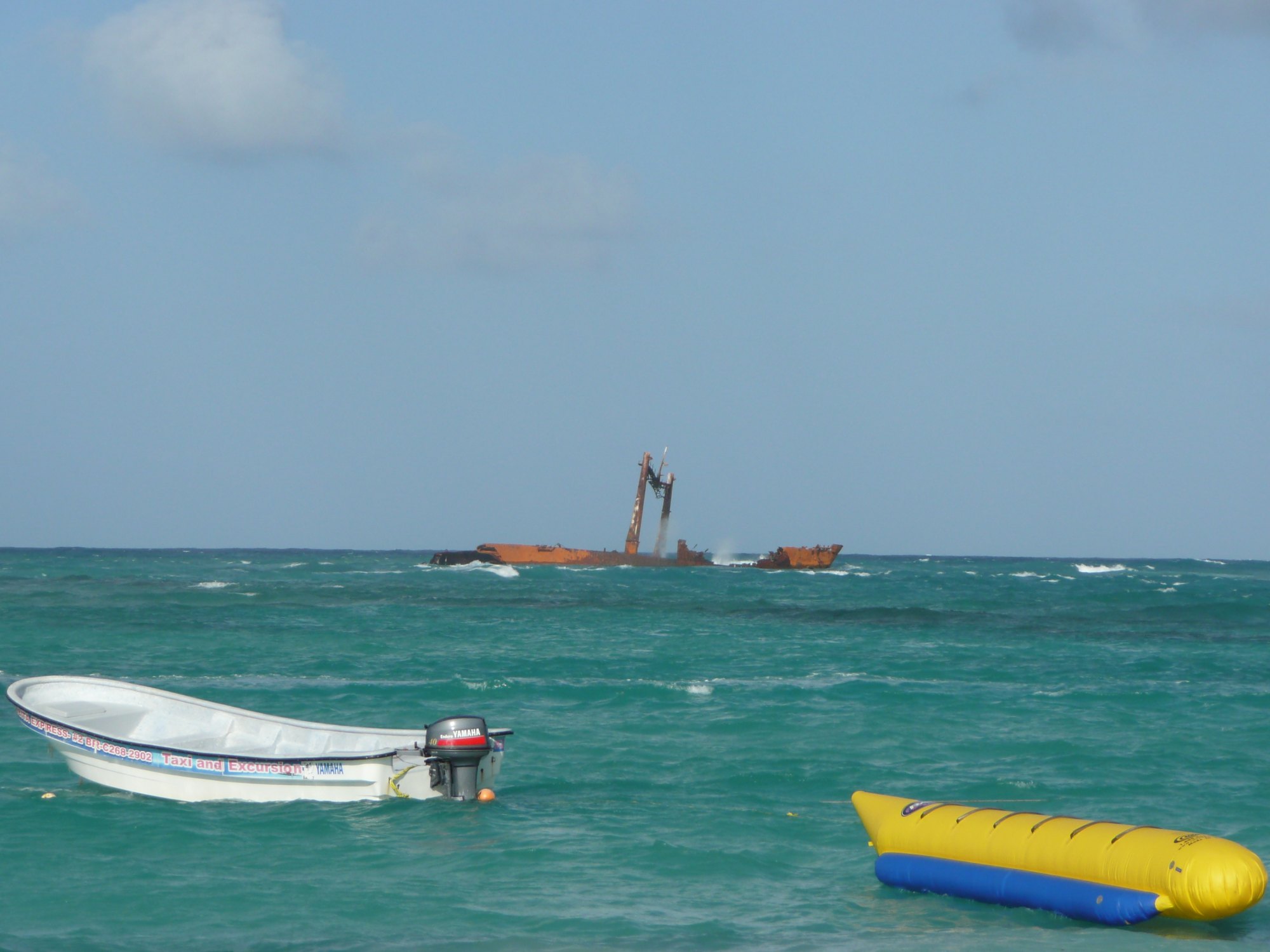
Is the reef here healthy?
It is under strain. A wire report carried by the Dominican press in July 2024 said the country's coasts hold 181 reef zones, and that average live coral cover in places such as the Punta Cana tourist area had fallen below 10% by 2020, according to a foundation's report. A reef-restoration foundation in Bávaro quoted in the same story describes many dead coral skeletons, grows new coral in nurseries from fragments the waves break off, and says tourist activity is partly to blame.
For a snorkeller that has two consequences. Expect a reef in recovery rather than a postcard, and behave like a guest: do not stand on coral, do not touch or feed fish, and keep fins clear of the bottom. We could find no Dominican rule restricting sunscreen ingredients; Hawaii and the US Virgin Islands have banned some, such as oxybenzone, to protect reefs, and a mineral cream is the easy precaution.
Are Catalina and Saona worth a day for snorkelling?
Catalina is. The island lies about 1.5 miles off the mainland near La Romana and is protected as the Isla Catalina Natural Monument. Day trips from Punta Cana drive to La Romana, around 1.5 hours from most of the resort strip, and cross by catamaran; the snorkel stop is at a reef called the Wall, with more snorkelling off the island's beach, and the species named include sergeant majors, damselfish, squirrelfish and stingrays.
Saona is a beach day first. It lies inside Cotubanamá National Park, once Parque Nacional del Este, and is reached by boat from the Bayahibe area, about 49 miles by road from River Island. Some tours stop at a wreck and an old jetty where a few fish live, and the travel guide calls the snorkelling there subpar; some companies have dropped the stop. Tours also pause at a shallow natural pool where sea stars live. Photograph them underwater and leave them there; lifting them out of the water harms them.
When is the water warm and calm off Bávaro?
Warm all year. Modelled sea-surface temperatures off Punta Cana run from about 79°F in February and March to about 84°F in September and October. A dive centre at Cabeza de Toro describes visibility on its reefs as generally good year round, often excellent in early April, occasionally cut by heavy showers from May to July and now and then stirred up by the January trade winds; it finds the sea calmer in summer and occasionally choppier in winter.
Seaweed is the other variable. The same long-running travel guide finds June to August the heaviest months for sargassum and October to December the lightest, though it adds that floating seaweed seldom spoils a boat snorkel, because a patch rarely passes the reef at the moment a group is in the water.
What should you ask before booking a snorkel trip?
- Where exactly is the stop? A transfer company's guide notes that some trips sold as snorkelling are a short stop in waist-deep water over sand.
- When is pickup? Pickup times along the resort strip can differ by about an hour between its southern end and Uvero Alto, and some trips collect only from listed zones.
- What happens in wind? Wind, waves, visibility, port controls or current routinely move a snorkel stop or cancel the day.
- Is the kit right? Test the mask seal, snorkel, vest and fins at the pier, and ask whether prescription masks and children's sizes are carried.
- Are the fish fed? If the answer is yes, that is the trip to skip.
Common questions
- Can you snorkel from the beach in Bávaro?
- Not well. The reef off Bávaro usually lies about half a mile out, too far to swim, so good snorkelling here means a boat; only a few small near-shore reefs, such as one at Cabeza de Toro, can be reached from the sand.
- Which reef near River Island is worth a boat trip?
- One long-running guide recommends the reef off Cabeza de Toro, more than 2,000 ft from the nearest beach access. Playa Cabeza de Toro is about 4 miles by road from River Island.
- Is Saona good for snorkelling?
- Not especially. Saona is a beach day; some tours stop at a wreck and an old jetty, and one long-running guide calls the snorkelling there subpar. Catalina is the stronger snorkel day.
- How warm is the water for snorkelling in Punta Cana?
- Modelled sea temperatures run from about 79°F in February and March to about 84°F in September and October.
Want the details for your own situation?
Ask about availability, layouts or the buying process, and someone from the sales team will get back to you.
Get in touch